

April 20, 2023
5 reasons to visit Côja
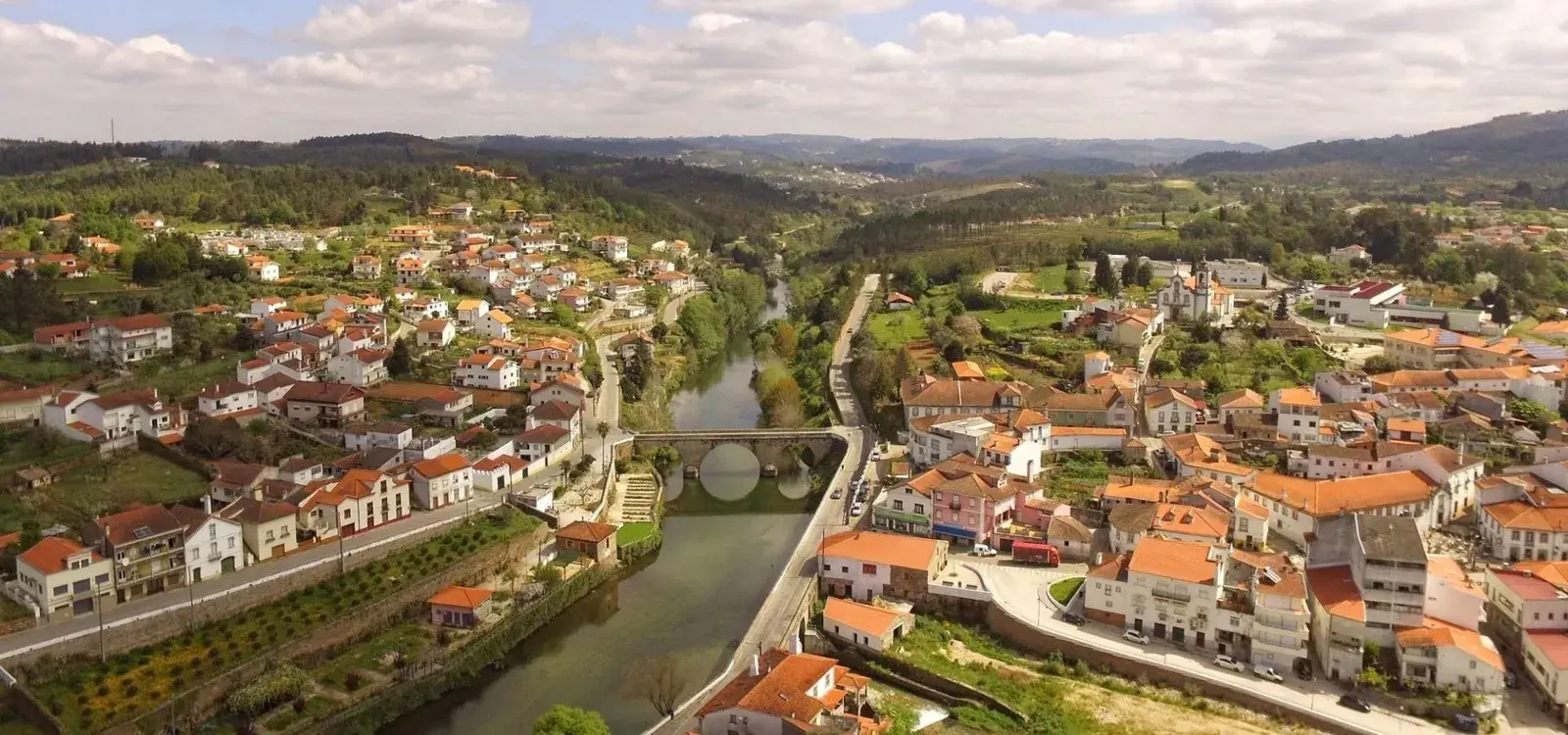
Côja is a charming historic village in the district of Coimbra, an ideal destination for anyone looking for nature, culture and good food. In this article, we give you five reasons to visit Côja.
1. Côja's historic and cultural heritage
Côja has very ancient origins, going back to the time of the County of Portugal. According to some authors, its name is of Roman origin, meaning "city of the Praetor" — a Roman magistrate who was probably its owner or lord. Today you can admire its architectural and cultural heritage, including:
– The Romanesque bridge over the River Alva, linking Arganil to Côja, with three semicircular arches — the middle one the largest — supporting a flat deck with stone parapets. The bridge played a notable role during the French Invasions in 1811, when the first arch on the right bank was cut to stop the invading troops from crossing. – Côja's 18th-century parish church, with a Baroque façade and an interior rich in sacred art. – Côja's 16th-century pillory, a listed national monument, bearing four shields with the royal arms.
2. The natural landscape and the Alva river beach
Côja lies on the River Alva, one of the main tributaries of the Mondego. The Alva offers stunning scenery and a river beach with clear, refreshing water. The Côja river beach has changing rooms, showers, a bar, a playground and a picnic area. It is the perfect place to swim, fish or try water sports such as canoeing or paddleboarding.
At any time of year, the river is made even more charming by the trees and flowers that line it. Take a walk along the riverbank and discover the plants typical of the area.
3. The Serra do Açor and its schist villages
Côja is a great base for exploring the Serra do Açor, a mountain area that is part of Portugal's central mountain system. The Serra do Açor has a great diversity of flora and fauna and is a prime habitat for species such as the golden eagle and the eagle owl.
In the Serra do Açor you can also visit the schist villages — traditional villages built from schist stone that keep their customs alive. Some of the closest to Côja are Benfeita, Fajão and Piódão.
4. The region's traditional food
Côja's cuisine is typical of the region, based on local produce such as cheese, honey, olive oil, wine and goat meat. You can taste these delicacies in several restaurants and at the fairs held in the village.
Some of the most typical dishes are oven-roasted kid with potatoes and giblet rice, chanfana (old goat slow-cooked in red wine and bay leaves), rice pudding and honey cake.
5. A lively cultural and social life
Côja has a lively cultural and social calendar, with events and festivities throughout the year. Some of the most popular are:
– Carnival, in February or March, one of the liveliest in the region, with parades of floats, groups of revellers and dances. – The Alva Beer Fest, held in the first half of October, the biggest beer festival in the municipality of Arganil. Several brewers present more than 20 styles of craft beer, alongside snacks, tapas, workshops, games, live concerts and plenty of fun. – F.A.V.A. (Handicrafts, Second-hand and Antiques Fair), held in Côja on the last weekend of July, bringing together artisans and antique dealers from all over the country — a great chance to discover and buy original local products.
As you can see, Côja is a village full of charm and interest. Don't miss the chance to visit and to stay at Villa Montês: cosy, comfortable apartments in a privileged spot overlooking the River Alva, the Serra do Açor and this enchanting village. Book now and come and discover Côja!